 AI image
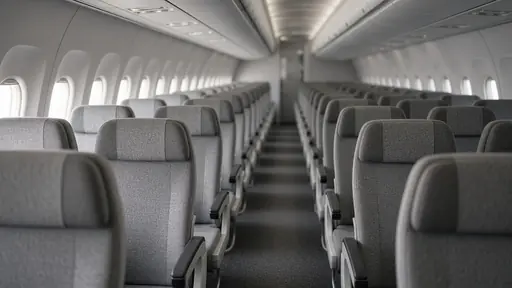
Seat map glossary: cabin terms explained
Plain English definitions of exit row, bulkhead, pitch, layout, and other cabin terms used on seat maps.
Original Pick Your Row articles on reading a seat map, choosing a row, and understanding cabin products. Each card below is one published guide. For scoring rules and outbound citations to public authorities, see Methodology and sources.
 AI image
Plain English definitions of exit row, bulkhead, pitch, layout, and other cabin terms used on seat maps.
 AI image
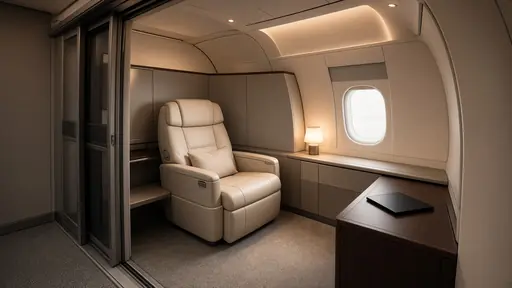
What economy, premium economy, business, and first usually change, and how to read those cabins on a schematic.
AI imageWhat our 1–10 editorial seat scores mean, which tags we apply, how we separate editorial opinions from regulatory facts, and why scores are planning tools — not guarantees.
AI imageWhat exit row seats usually mean for space, rules, storage, and who should skip them.
AI imageHow free random assignment, open seating, and paid seat maps differ, plus when paying is worth it for families, tall travelers, and tight connections.
 AI image
A short checklist that ties cabin goals to seat map cues, exit eligibility, fees, and a final confirm step before you leave for the airport.
 AI image
A practical checklist for confirming the jet on your ticket, spotting equipment swaps, and using illustrative seat maps without over trusting a single diagram.
AI imageWhat seat pitch and width numbers mean on a cabin schematic, how airlines market them, and how to use those facts without treating marketing as a guarantee.
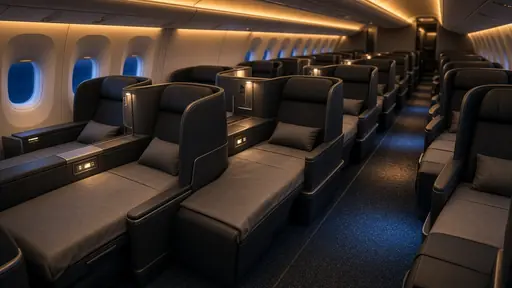
AI imageA speculative look at staggered herringbone economy sleep pods that angle nearly flat beds into shared aisle volume so more travelers could rest without a full business class footprint.
AI imageA speculative look at theoretical vertical lay-flat seats that use unused cabin height so more travelers could sleep nearly flat without a business-class footprint.
 AI image
A speculative look at short private sleeping capsules stacked in the thicker wing box zone of a widebody so repose uses volume that is often underused for premium sleep while aisle seats stay denser ahead and aft.
AI imageA speculative look at economy seats with shells that rotate from upright day mode into enclosed sleep cocoons so more travelers could rest with privacy without a full business class footprint.
AI imageA speculative look at widebody family suites where children sleep in a small loft tucked into the crown space above their parents seats, turning unused ceiling height into rest without giving up floor seats.
AI imageA speculative look at container sized sleeper modules that load into a widebody belly hold, so economy travelers could rent a flat bunk for a few hours of cruise without the airline giving up a single main deck seat.
AI imageA speculative look at economy daybeds that run parallel to the aisle along the cabin sidewall, so a traveler could stretch out flat beside the window on a night flight without paying for a business class suite.
AI imageA plain English guide to aisles, exit rows, bulkheads, and cabin codes on Pick Your Row schematics.
AI imageEditorial comparison of two popular extra space seat types, and when to avoid each.
 AI image
Why some window seats have a poor view, and how to think about alignment on schematics.
AI imageFirst row cabin seats explained, with bassinet notes, foot space, and common surprises.
AI imageHow to weigh a faster exit, lavatory traffic, and mid cabin calm when picking a row.
AI imageA practical comparison of aisle and window seats for rest, access, views, and when a middle seat is still fine.
AI imageWhat premium economy usually buys you — pitch, cabin position, and when standard exit-row economy is the smarter spend.
AI imagePractical seat strategy for families: bulkheads, bassinets, lavatory distance, and when to split across an aisle.
AI imageHow to pick a row for sleep on overnight long haul flights. This page covers wide body sectors of many hours, not a short domestic red eye. It covers window versus aisle, wing noise, galley traffic, and when premium economy is worth it.
AI imageWhy LCCs charge for seats, what “priority” and exit-row fees usually buy, and how to decide whether paying is worth it.
AI imageWhere bassinets usually attach, what bulkhead tradeoffs to expect, and how to plan seats with an infant.
AI imageHow pairs can sit together without a middle stranger — 2-4-2 tips, aisle-aisle tricks, and when to pay for seats.
AI imageWhy overwing windows disappoint, where views open up, and how to use schematics without expecting a perfect pane.
AI imagePractical tactics for middle seats — armrest etiquette, bag strategy, when to pay to move, and passenger-rights basics if things go wrong.
AI imageHow to pick a seat on a shorter overnight flight for sleep, noise, and a quick exit. Not a long haul guide.
AI imageHow seat position affects overhead-bin access, boarding strategy, and when a “great” seat fails because your bag is ten rows away.
AI imageHow to think about seat power, USB, and IFE when availability differs by aircraft and retrofit — caveats, not guarantees.
 AI image
Noise, boarding, lav queues, and turbulence feel different by cabin zone — how to choose forward vs aft without myths.
AI imageWhat “exit row”, “stretch”, “preferred”, and “plus” usually mean — and how to compare paid legroom without scraping competitor maps.
AI imageHow airline cabin upgrades change row numbering, curtains, and lav modules — and how to re-plan without assuming last year’s map.
AI imagePractical seat-planning notes for reduced mobility, canes, and longer boarding — without giving medical advice.
AI imageHow seat selection windows work from purchase through check in, why good seats disappear, and when paying early is worth it.
AI imagePractical ways to seat families and groups: adjacent blocks, aisle splits, kids with adults, and what to do when the map fragments.
AI imageWhat to optimize on a 90 minute hop versus an overnight long haul: speed, space, noise, sleep, and when fees are worth paying.
AI imageNon medical heuristics for eastbound and westbound flights: light, noise, sleep windows, and where cabin position may help you rest.
AI imageHow to pick seats for a tight connection: forward aisle bias, bag placement, and time buffers for security and terminals.
AI imageHow taller passengers can prioritize exit rows, bulkheads, and aisle access while watching assignment rules, duty requirements, and aircraft swaps.
AI imageWhat happens when airlines change equipment, how seat maps shift, and practical steps to reselect seats after a swap or schedule change.
AI imageHow galley chatter, cart traffic, and lav queues affect sleep and focus, plus simple seat heuristics to stay away from the noisiest cabin zones.
AI imageHow to pick window seats for sunrise and sunset views while managing glare, sleep, and the east versus west side of the aircraft on common route directions.