Seat pitch and width explained
What seat pitch and width numbers mean on a cabin schematic, how airlines market them, and how to use those facts without treating marketing as a guarantee.
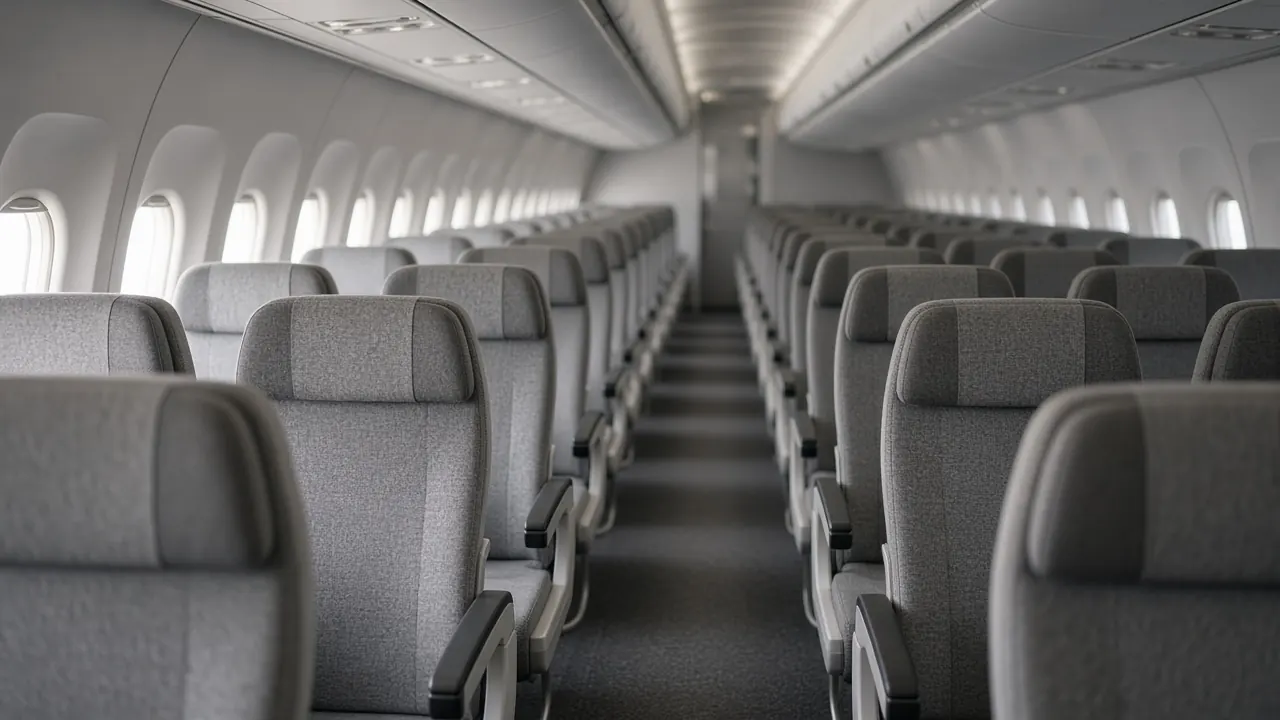
Seat pitch is the distance from one point on a seat to the same point on the seat in front. Travelers often treat it as legroom. That is close but not identical. Cushion thickness, seat track position, and the shape of the seatback can change how a given pitch feels.
Seat width is usually measured between armrests. Shared armrests on a 3-3 layout mean your usable space depends on neighbors. A wide seat next to a busy aisle can still feel cramped if carts and passengers brush past all flight.
Airlines publish pitch and width ranges for marketing and fleet planning. Those ranges are useful as public facts when you compare cabin products. They are not a promise that your registration matches the brochure. Retrofits move seats. Specialty rows (exit, bulkhead) break the average.
On Pick Your Row schematics we do not invent millimeter precision we cannot verify. We show layout geometry (letters, aisles, exit bands) and editorial scores. Use pitch and width claims from the airline or a primary manufacturer page as a second check after you pick a row family.
For exit seats, space is only half the story. U.S. part 121 carriers follow federal exit seating rules about who may sit there. If you cannot assist, pick another row even when the pitch looks generous. See our exit row tips and methodology pages for the regulatory outbound links.
Practical workflow: open the airline seat map for your flight, note the cabin product name, compare it to our illustrative schematic for that type, then decide whether an upsell row is worth the fee for your body and trip length.
Internal next steps: browse the aircraft index for the type on your ticket, read Extra legroom upsells explained if fees confuse you, and use the booking stub only as a placeholder until affiliate partners are live.
Sources and references
Outbound links to authoritative public pages. Regulatory and consumer-rights material is fact; our seat scores remain editorial. See also the Methodology & sources page.
- U.S. eCFR 14 CFR 121.585 Exit seating . Exit seat criteria matter when pitch looks great but eligibility does not.
- U.S. DOT Fly Rights . Consumer protection overview for U.S. air travel rights context.
- FAA Travelers . Public traveler safety hub. Useful when space tradeoffs meet safety briefing duties.
Browse airline seat maps Methodology More guides
Related guides
- Exit row tips before you select. What exit row seats usually mean for space, rules, storage, and who should skip them.
- Bulkhead seats: pros and cons. First row cabin seats explained, with bassinet notes, foot space, and common surprises.
- Aisle vs window: how to choose. A practical comparison of aisle and window seats for rest, access, views, and when a middle seat is still fine.
- How Pick Your Row scores work. What our 1–10 editorial seat scores mean, which tags we apply, how we separate editorial opinions from regulatory facts, and why scores are planning tools — not guarantees.