Exit row vs bulkhead: which is better?
Editorial comparison of two popular extra space seat types, and when to avoid each.
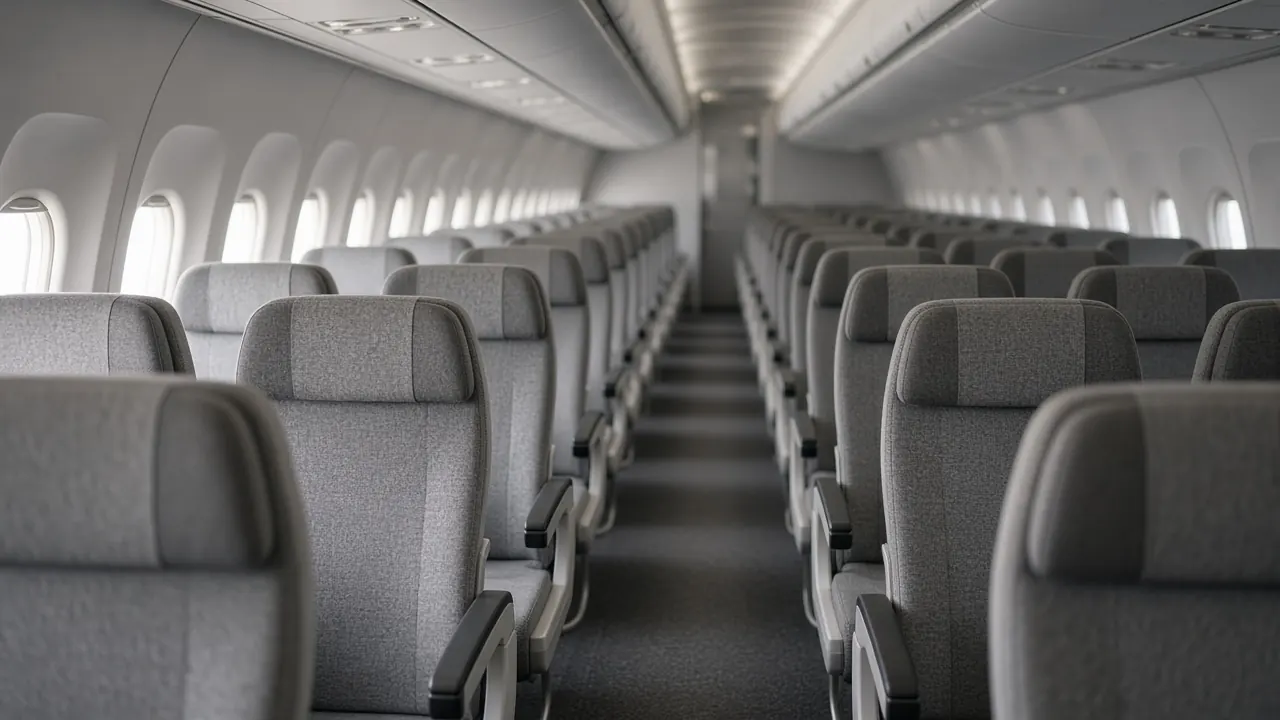
Exit rows and bulkheads are the two extra space seats people ask for first, and they solve different problems. An exit row usually buys legroom beside a door or an exit over the wing, with a real job attached if something goes wrong. A bulkhead is the first row of a cabin, facing a wall or curtain, so the person ahead cannot recline into you. Neither one is automatically the best seat. Pick the problem you have, then check whether you are allowed to sit there.
Exit row pitch is often the largest in economy, which is why tall travelers chase it. The same row often removes the usual seatback pocket and puts the tray in the armrest, so the armrest may not lift. Under seat storage may be blocked for taxi, takeoff, and landing so the path stays clear. Some exit seats feel cooler or noisier because they sit against the door. If you want a normal tray, a place for a bag at your feet, and no briefing duty, the extra pitch can be a bad trade even when the map looks generous.
Eligibility is the part people skip until the gate. For U.S. airlines operating under part 121, 14 CFR 121.585 says the airline may not seat someone in an exit seat when it determines that person is unlikely to perform the assist functions. Passengers under 15 years of age cannot sit there. So is a traveler whose responsibility for a small child would get in the way. You may ask to be moved, and the airline is not supposed to demand your reason. Crew check the row before taxi. Other countries are not copies of that U.S. rule. Ask the airline that sold the ticket. Practical detail lives in exit row tips.
Bulkhead seats trade the recline of the row ahead for a hard boundary. Knee room can feel generous because there is no seatback in your lap, yet the wall or a screen housing can sit closer than you expect once the armrest tray is down. Bags often go into the overhead bin at boarding. On a long flight that is a real cost if you wanted a laptop or medication within reach. Some bulkheads include a bassinet mount. That is useful for a family and noisy for everyone else along the wall. See bassinet and bulkhead seats if you are traveling with an infant, and bulkhead seats for the storage and tray details.
Location still matters after you choose the seat type. A bulkhead in front of a galley can be bright all night. An exit row beside a lavatory can have excellent pitch and a constant line of strangers. Our editorial scores lower those seats even when the gap on the map looks luxurious. Quiet seats versus convenient seats is the companion page if sleep matters more than the label printed on the row.
Match the seat to the person in it. Tall passengers who can accept exit duty often prefer the exit row on a longer flight. Travelers who hate recline in their face, or who need a bassinet, often prefer the bulkhead and should confirm the fitting with the airline. People who want a simple window for a nap should read aisle versus window before they pay for either special row. A calm standard window beats a noisy extra space seat more often than the upsell suggests.
Our scores boost clear exit space and bulkhead space, then subtract for galleys, lavatories, and middle letters. That math is an opinion, documented in how Pick Your Row scores work. It is not a safety approval and not a guarantee that your aircraft matches the drawing. We publish original schematics and we are not affiliated with the airline that operates your flight.
Open the best seats index for the carrier and see whether the top rows are exits, bulkheads, or both. Confirm eligibility, bag rules, and the fee in the booking flow. A high score on our page never obliges the carrier to keep you in that seat if crew decide you cannot perform the exit role, or if the aircraft changes.
FAQ
Is an exit row always better than a bulkhead?
No. Exit rows usually offer more legroom and come with assist rules, limited under seat bags, and armrest trays. Bulkheads stop the row ahead from reclining and often limit floor storage. The better seat is the one that matches your body, your companions, and the rules you can actually meet.
Can I sit in an exit row with a small child?
On U.S. part 121 flights, passengers under 15 may not occupy an exit seat, and an adult caring for a small child may be refused that seat as well. Airlines elsewhere set their own restrictions. Expect crew to move you if the row is limited. A bulkhead or a standard row is the usual plan for a family.
Which seat is quieter, the exit row or the bulkhead?
Whichever one sits away from galleys and lavatories. An exit row next to a lavatory and a bulkhead in front of a galley can both be loud. A standard seat in a calm part of the cabin is often quieter than a famous extra space row in a service zone.
Why might a bulkhead feel tighter than it looks?
The wall, a closet, or a screen housing can sit closer than a normal seatback once you lower the tray. Armrests that hold the table can also narrow the seat. The open floor in the picture is not the same thing as usable knee room for the whole flight.
Do your scores pick a winner between these rows?
They do not crown one type. Scores are editorial notes on our schematics. They tend to reward open space and penalize traffic. You still have to meet airline rules, and you still have to confirm the live map because cabins change by aircraft.
Sources and references
Outbound links to authoritative public pages. Regulatory and consumer-rights material is fact; our seat scores remain editorial. See also the Methodology & sources page.
- U.S. eCFR — 14 CFR § 121.585 Exit seating . Federal rule defining exit seats and passenger suitability criteria for U.S. part 121 carriers (facts; not our editorial score).
- IATA — Save a Life, Not a Bag (evacuation safety) . Industry passenger education on evacuation behavior (leave bags, follow crew). Supported publicly by FAA/EASA messaging.
- U.S. DOT — Fly Rights . U.S. Department of Transportation aviation consumer protection overview for passengers.
- FAA — Travelers . FAA public traveler safety and consumer information hub.
Browse airline seat maps Methodology More guides
Related guides
- Exit row tips before you select. What exit row seats usually mean for space, rules, storage, and who should skip them.
- Bulkhead seats: pros and cons. First row cabin seats explained, with bassinet notes, foot space, and common surprises.
- Aisle vs window: how to choose. A practical comparison of aisle and window seats for rest, access, views, and when a middle seat is still fine.
- How Pick Your Row scores work. What our 1–10 editorial seat scores mean, which tags we apply, how we separate editorial opinions from regulatory facts, and why scores are planning tools — not guarantees.