Bassinet and bulkhead seats with a baby
Where bassinets usually attach, what bulkhead tradeoffs to expect, and how to plan seats with an infant.
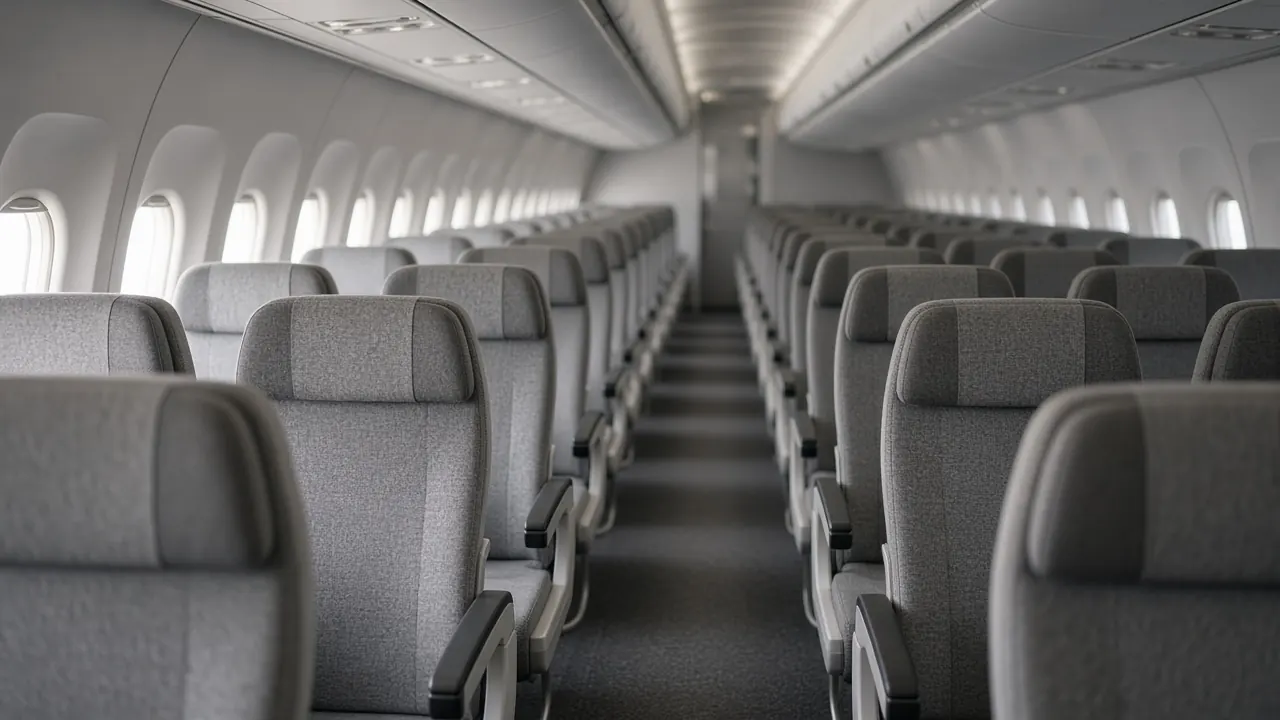
Bassinet seats are almost always bulkhead seats. The airline needs a wall, a divider, or another bulkhead structure where a fold down crib can attach in front of the adult who is caring for the infant. A standard row has another passenger seatback in that space, so there is nowhere to hang the crib. Some walls are closets, screens, or plain dividers with no fitting at all. The icon on the airline seat map, or the written infant policy for that aircraft, is the fact that matters.
Request the bassinet as soon as the reservation exists. Many carriers assign a small number of them at booking or at check in, and they set their own age and weight limits. If the bassinet is already taken, the bulkhead may still be worth holding because nobody reclines into you and because it keeps the infant out of an exit row. Have a backup before you reach the airport: a ticketed seat that accepts an approved child restraint if the airline and aircraft allow it, or the lap infant arrangement you already confirmed with the carrier.
During taxi, takeoff, and landing you often cannot keep a bag under the seat, because there is no seat in front of you. The carry on goes into the overhead bin while bins are still filling, so board with a plan for diapers, wipes, a change of clothes, and medication. Armrests may hold the tray and may not lift, which changes how you hold an infant in the seat. A screen housing or a solid wall can meet an adult's knees once the tray is down.
Exit rows are the wrong place for a bassinet, a car seat, and an adult who is caring for an infant. On U.S. airlines operating under part 121, 14 CFR 121.585 covers exit seats. A passenger under 15 years of age may not sit in an exit seat. An adult whose responsibility for a small child would get in the way of the assist functions is not a suitable exit passenger either. Crew can move you, including after you have paid. Read exit row tips and do not build the family plan around an exit row.
On wide body aircraft, the usual bassinet zones are bulkheads at the start of economy or premium economy, and sometimes a divider in a premium cabin. Confirm the live map and the infant policy in the booking flow. How to read a seat map shows how we mark a bulkhead versus an exit, which is the distinction that keeps a family out of the wrong row when both icons look like extra space.
An adult should occupy the bassinet seat itself, because that person manages the crib and the infant. Other adults and older children belong in the same row or directly across the aisle, not several cabins away for the sake of a view. A split that looks clever on a map fails the first time the infant needs help during meal service. Bulkhead seats walks through the storage and tray surprises that affect the adult in that row, not only the baby.
A ticketed seat that accepts an approved child restraint is the stronger planning default when your airline and the aircraft allow that restraint. Lap travel for an infant under age two is widely permitted and is a weaker option in turbulence, which is why public safety pages urge approved restraints. Read the FAA, CDC, and pediatric sources linked below, then follow the current rule from your carrier.
Bassinet bulkheads are often noisy because galleys sit nearby, and families should plan for that instead of being surprised by it. Other families may share the same bulkhead, which means more than one infant. If one adult needs real sleep, do not put every adult in the loudest row out of loyalty to the crib icon. One caregiver in the bassinet seat and another adult nearby, still able to help, can be a better split than two exhausted people in front of a galley.
Many aircraft carry only one or two bassinets, and on a full long haul flight they are assigned early. If you are hoping rather than confirmed, write the backup down: which seat can take a restraint, what the lap infant policy requires, and which standard row keeps the family together if the crib is gone.
Pick Your Row maps are original illustrative schematics. Two aircraft with the same type name can place the bulkhead on different row numbers after a retrofit, and a bassinet assigned on one registration can vanish when the airline swaps aircraft. Use our drawing to learn the pattern of walls, exits, and galleys. Then verify bassinet rules and seat availability with the carrier for the exact flight, and check again on the day you travel.
FAQ
Does every bulkhead seat have a bassinet?
No, a bassinet needs a fitting on the wall, and many bulkheads are only a divider, a closet, or a screen. Airlines also limit how many cribs they carry and who may use them, including age and weight. Look for the carrier bassinet note on that aircraft, not just the word bulkhead on a schematic. If the fitting is absent, the row can still stop recline, and it will not solve the crib.
Can I sit in an exit row with a lap infant?
Plan on no. On U.S. part 121 flights, exit seat rules exclude passengers under 15 and can exclude an adult who is responsible for a small child, and a bassinet does not belong in an exit path. Crew can move the party even after you paid for the row. Choose a bulkhead the airline has approved for the crib, or a standard row where you can sit together, and remember that other countries set their own limits.
When should I request a bassinet?
Request it as soon as the reservation exists, and ask again if the flight number or aircraft changes. Supply is small, and busy routes assign the cribs early. Have the infant age and weight ready, because carriers apply their own limits. If the answer is no, move to the backup seat plan the same day rather than waiting for the airport.
What are the downsides of a bassinet bulkhead?
You often lose a place for a bag under the seat during taxi, takeoff, and landing, so the baby bag has to work with the overhead bin. Armrest trays can narrow the seat, and galleys or lavatories near the wall add light, noise, and sometimes other infants. The adult in the bassinet seat should expect to be responsible for most of the flight. It is a family tool, not an anonymous nap seat.
What if the bassinet is already taken?
Keep the family together in a standard row, or use a ticketed seat with an approved child restraint if the airline allows that restraint on the aircraft. A bulkhead without a crib can still stop the row ahead from reclining into you. An exit row is not the backup. Tell the airline you are traveling with an infant so they can apply their seating rules before you get to the gate.
Is a bassinet the same as a child restraint?
No, a bassinet is a carrier crib at a bulkhead, with age and weight limits set by that airline, and it is generally used during cruise. An approved child restraint is a separate product that occupies a ticketed seat when the airline accepts it. Public safety pages encourage proper restraints for infants, so read the sources on this guide and confirm the rule with your carrier. This is not medical advice.
Sources and references
Outbound links to authoritative public pages. Regulatory and consumer-rights material is fact; our seat scores remain editorial. See also the Methodology & sources page.
- U.S. eCFR — 14 CFR § 121.585 Exit seating . Federal rule defining exit seats and passenger suitability criteria for U.S. part 121 carriers (facts; not our editorial score).
- TSA — TSA Cares (passengers who need assistance) . U.S. TSA program and guidance for travelers who need screening assistance (mobility and medical context).
- U.S. DOT — Fly Rights . U.S. Department of Transportation aviation consumer protection overview for passengers.
- Your Europe — Air passenger rights . Official EU consumer summary of Regulation (EC) No 261/2004 rights (delays, cancellations, denied boarding, downgrades).
- CDC Traveling with Children . U.S. CDC Travelers Health overview for traveling with children.
- CDC Yellow Book infants and children . CDC Yellow Book chapter on traveling safely with infants and children, including air travel restraints.
- FAA Kids Corner . FAA public guidance urging approved child restraint systems for young children on aircraft.
- AAP HealthyChildren flying with baby . American Academy of Pediatrics public page on flying with infants, restraints, and airline bassinets.
Browse airline seat maps Methodology More guides
Related guides
- Exit row tips before you select. What exit row seats usually mean for space, rules, storage, and who should skip them.
- Bulkhead seats: pros and cons. First row cabin seats explained, with bassinet notes, foot space, and common surprises.
- Aisle vs window: how to choose. A practical comparison of aisle and window seats for rest, access, views, and when a middle seat is still fine.
- How Pick Your Row scores work. What our 1–10 editorial seat scores mean, which tags we apply, how we separate editorial opinions from regulatory facts, and why scores are planning tools — not guarantees.