Tall traveler seat strategy: space without surprises
How taller passengers can prioritize exit rows, bulkheads, and aisle access while watching assignment rules, duty requirements, and aircraft swaps.
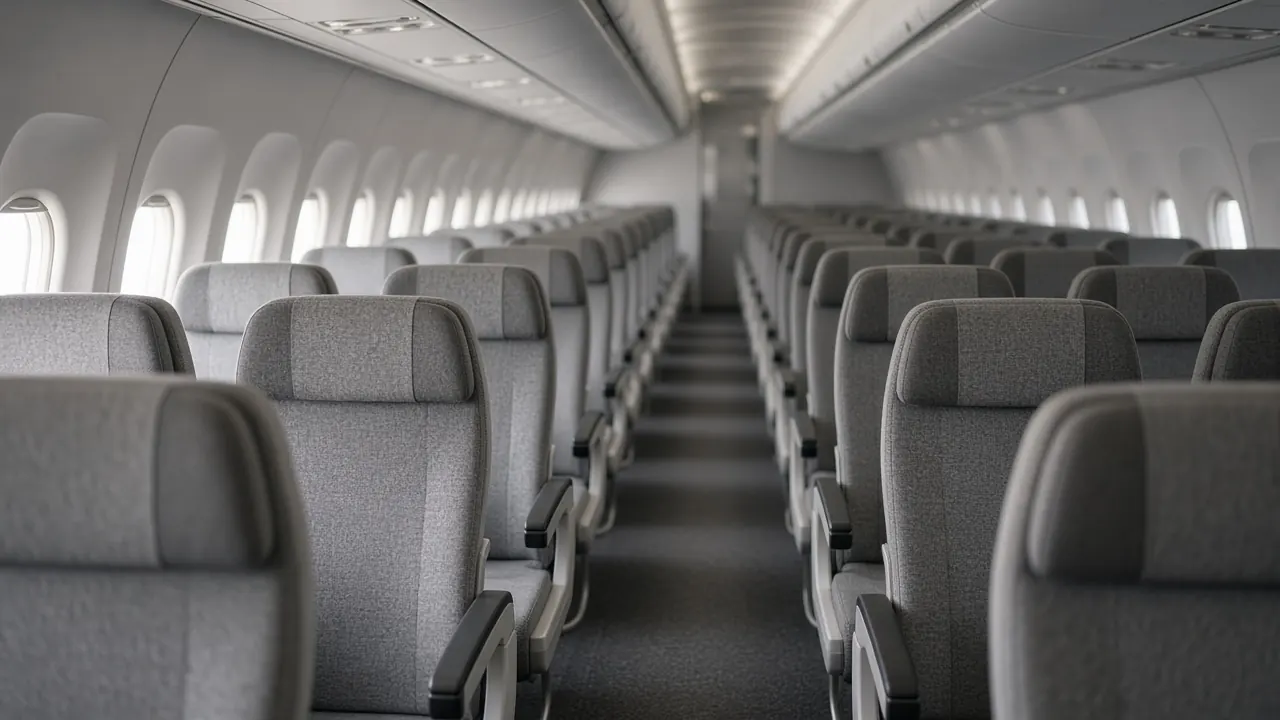
Tall travelers feel pitch and recline limits first. A standard economy seat that feels fine for a short hop can become a long haul problem when knees hit the seat ahead.
Exit rows and some bulkhead seats often add floor space. They also come with rules. Airlines and regulators expect able bodied adults who can assist in an emergency.
Bulkhead seats can help knees but may fix the armrest table and remove under seat storage. That tradeoff matters if you carry a medical device or need items during taxi.
Aisle seats let you stretch into the aisle carefully. They also expose you to cart bumps and foot traffic. Windows help brace a shoulder for sleep but can trap you for bathroom trips.
Do not treat every extra legroom upsell as equal. Some paid rows only add a couple of inches. Read the airline description and confirm the aircraft type before you pay.
Aircraft swaps can erase a carefully chosen exit row. Recheck your seat map after schedule changes, especially on partners and codeshares where products differ.
If you use a cane or need to stand frequently, ask the airline about accessible seating policies early. Public aviation guidance favors planning ahead rather than gate day surprises.
Use Pick Your Row exit and bulkhead tags as a starting filter, then verify pitch and duties on your specific flight. Illustrative maps are not a guarantee of your registration.
Sources and references
Outbound links to authoritative public pages. Regulatory and consumer-rights material is fact; our seat scores remain editorial. See also the Methodology & sources page.
- FAA exit seating requirements . FAA public guidance on exit row seating criteria and passenger responsibilities.
- EASA air operations passenger seating . EASA Easy Access Rules for Air Operations (passenger seating and emergency exit context).
- TSA traveler disabilities and medical conditions . TSA special procedures overview useful when packing mobility aids or medical devices.
- IATA passenger experience overview . IATA passenger programs overview (industry context for passenger journey processes).
Browse airline seat maps Methodology More guides
Related guides
- Exit row tips before you select. What exit row seats usually mean for space, rules, storage, and who should skip them.
- Bulkhead seats: pros and cons. First row cabin seats explained, with bassinet notes, foot space, and common surprises.
- Aisle vs window: how to choose. A practical comparison of aisle and window seats for rest, access, views, and when a middle seat is still fine.
- How Pick Your Row scores work. What our 1–10 editorial seat scores mean, which tags we apply, how we separate editorial opinions from regulatory facts, and why scores are planning tools — not guarantees.