Middle seat survival: how to make the worst seat work
Practical tactics for middle seats — armrest etiquette, bag strategy, when to pay to move, and passenger-rights basics if things go wrong.
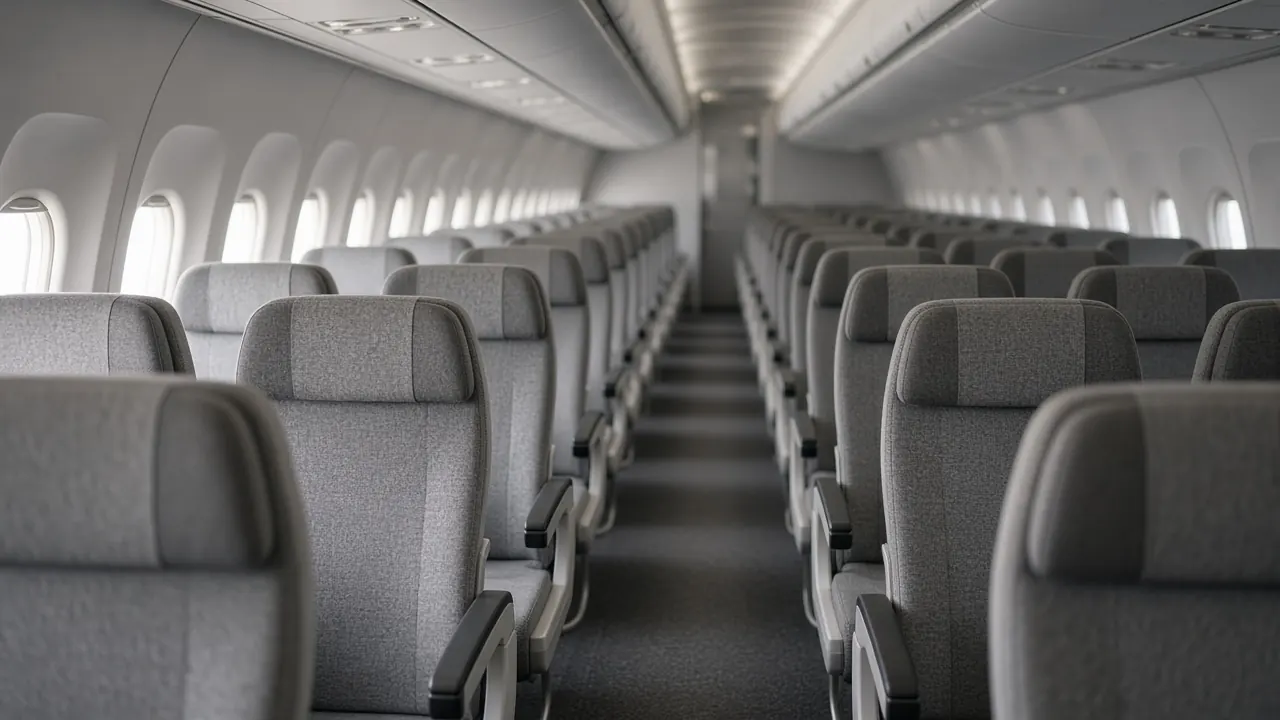
Middle seats are the most requested avoid on most narrow-bodies: no window view, no free aisle access, and two neighbors. If you still land in one, treat it as a planning problem rather than bad luck.
Claim the shared armrests early and politely. A common courtesy pattern is that the middle passenger uses both armrests while window and aisle keep the outer ones — but clear, friendly negotiation beats silent elbows.
Store essentials in the seat-back pocket or under the seat in front of you so you are not climbing over people for a charger or snack. Keep your carry-on overhead near your row if possible so deplaning is not blocked by someone else’s bag hunt.
If the flight is not full, ask the gate agent or cabin crew whether adjacent seats opened up after boarding. Paid same-day moves to aisle or window are often cheaper than missing sleep or arriving sore — compare the fee to the length of the flight.
On wide-bodies, middle seats in a 3-3-3 or 3-4-3 block feel different: a center-section middle can be quieter than a window-side middle next to a lavatory. Use Pick Your Row schematics to see which “middle” you actually have before you pay to change.
Know the basics of passenger rights for delays, cancellations, and denied boarding in your jurisdiction. Seat discomfort alone is rarely a refund trigger, but knowing official consumer guidance helps when the disruption is operational rather than personal preference.
Our editorial scores flag middle seats as lower preference by default. Confirm the live airline map for your registration — layouts and paid-seat inventory change with retrofits.
Sources and references
Outbound links to authoritative public pages. Regulatory and consumer-rights material is fact; our seat scores remain editorial. See also the Methodology & sources page.
- U.S. DOT — Fly Rights . U.S. Department of Transportation aviation consumer protection overview for passengers.
- Your Europe — Air passenger rights . Official EU consumer summary of Regulation (EC) No 261/2004 rights.
- FAA — Packing tips for travelers . FAA traveler guidance on packing and security-related carry-on practices (not seat maps).
Browse airline seat maps Methodology More guides
Related guides
- Exit row tips before you select. What exit row seats usually mean for space, rules, storage, and who should skip them.
- Bulkhead seats: pros and cons. First row cabin seats explained, with bassinet notes, foot space, and common surprises.
- Aisle vs window: how to choose. A practical comparison of aisle and window seats for rest, access, views, and when a middle seat is still fine.
- How Pick Your Row scores work. What our 1–10 editorial seat scores mean, which tags we apply, how we separate editorial opinions from regulatory facts, and why scores are planning tools — not guarantees.