Overhead bins and seat choice: where your bag actually ends up
How seat position affects overhead-bin access, boarding strategy, and when a “great” seat fails because your bag is ten rows away.
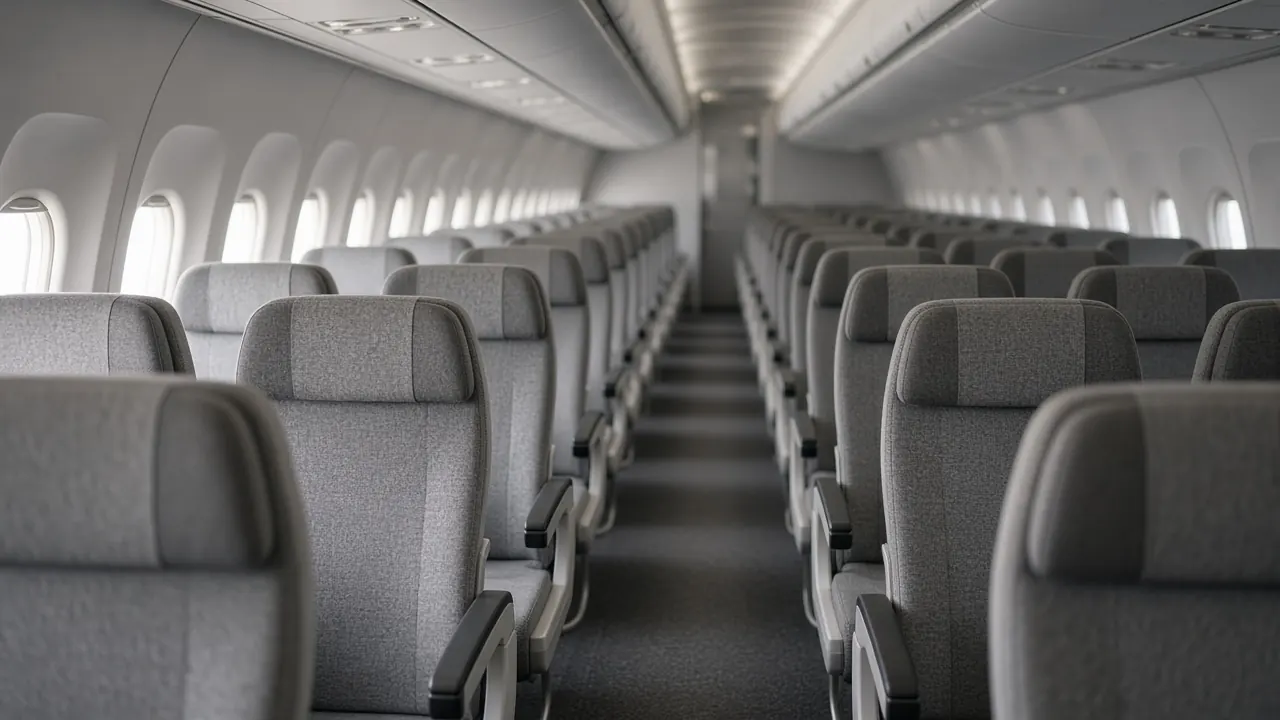
A perfect seat is less perfect if your roller bag is stranded near the boarding door. On full flights, bins fill from the front; late boarders in rear seats often find space only far forward or must gate-check.
If you must keep medication, electronics, or a laptop with you, prioritize boarding group and a seat near available bin space — not only legroom. Exit-row and bulkhead seats sometimes lack under-seat storage, which makes nearby overhead space even more important.
Forward seats help you board into emptier bins if your group is early, and they help you retrieve a bag quickly on arrival. Rear seats can still work if you board early enough to claim space above your row before the cabin fills.
Families and couples should decide whether bags stay together. Splitting across rows looks fine on a seat map until one person cannot reach the shared overhead without blocking the aisle during boarding.
Ultra-low-cost and basic-economy fares often restrict carry-on size or boarding priority. Read the airline’s official carry-on help page for your fare — policy beats seat-map folklore when a gate agent measures bags.
Use Pick Your Row maps to see how far you are from doors and whether you sit in a dense economy block where bin competition is fiercest. Then select seats on the airline site for the exact aircraft.
When bins are full, gate-checking is normal. Keep valuables and travel documents in a personal item that fits under the seat so a last-minute gate check does not separate you from essentials.
Sources and references
Outbound links to authoritative public pages. Regulatory and consumer-rights material is fact; our seat scores remain editorial. See also the Methodology & sources page.
- TSA — What Can I Bring? . U.S. Transportation Security Administration guidance on items allowed through screening (carry-on vs checked context).
- FAA — Packing tips for travelers . FAA packing and hazardous-materials awareness for travelers.
- United Airlines — Carry-on baggage . Example major-airline official carry-on help page (policies vary by carrier and fare).
- Delta Air Lines — Carry-on baggage . Example major-airline official carry-on policy overview for planning boardings and bin strategy.
Browse airline seat maps Methodology More guides
Related guides
- Exit row tips before you select. What exit row seats usually mean for space, rules, storage, and who should skip them.
- Bulkhead seats: pros and cons. First row cabin seats explained, with bassinet notes, foot space, and common surprises.
- Aisle vs window: how to choose. A practical comparison of aisle and window seats for rest, access, views, and when a middle seat is still fine.
- How Pick Your Row scores work. What our 1–10 editorial seat scores mean, which tags we apply, how we separate editorial opinions from regulatory facts, and why scores are planning tools — not guarantees.