Noise near galleys and lavatories: quieter seat picks
How galley chatter, cart traffic, and lav queues affect sleep and focus, plus simple seat heuristics to stay away from the noisiest cabin zones.
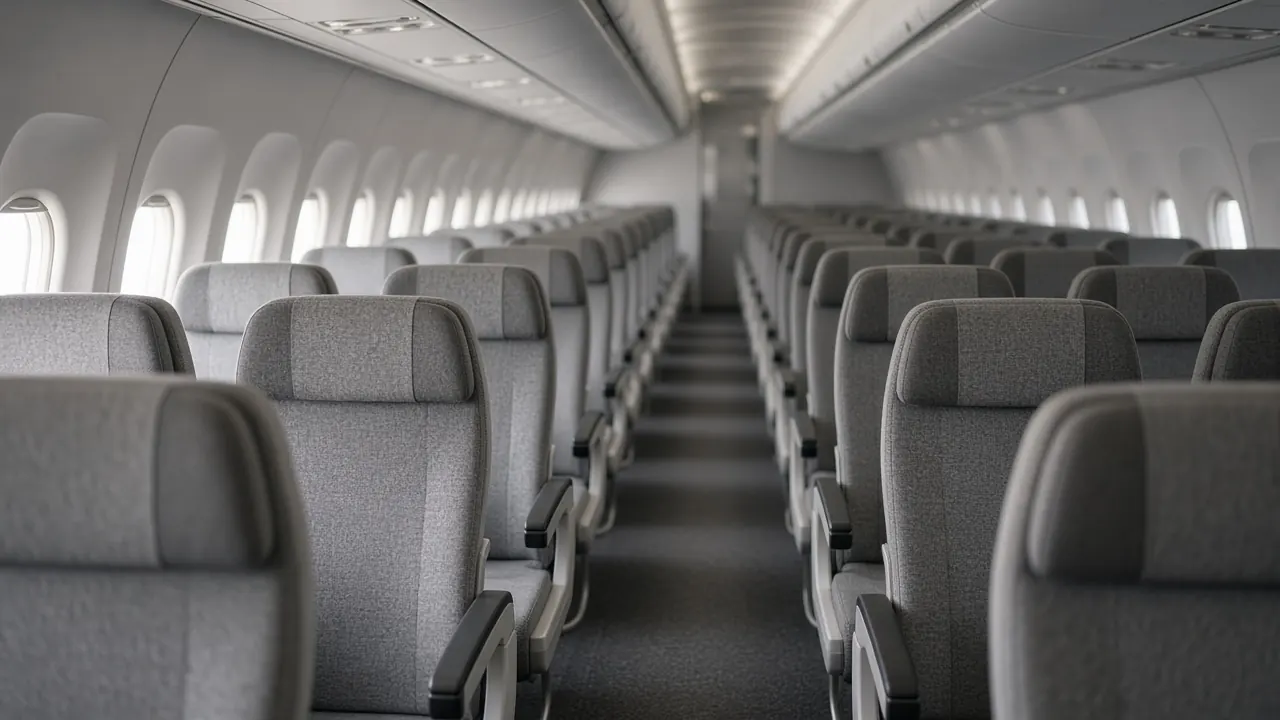
Galleys and lavatories are work zones. Crew prepare carts, ice, and trash there. Passengers queue for the lav. That traffic continues on overnight flights when you want quiet.
Last rows often sit beside rear galleys. They can feel roomy when empty, yet they hear service starts and door traffic. Mid cabin seats usually see steadier foot traffic patterns.
Bulkheads ahead of a lav can sound louder than a standard row farther forward. Listen for facility markers on seat maps: lav, galley, and exit icons are useful noise clues.
Window seats reduce aisle bumps but do not mute galley noise. Aisle seats next to a galley catch carts and standing conversations. Middles between quiet neighbors can win on sleep nights.
Exit rows near wings may add engine noise on some types. That is different from human galley noise. Decide which disturbance bothers you more before you pay for space.
Families with young children sometimes choose bulkhead bassinet rows. Those zones can be lively. If you need silence, avoid clustering next to known bassinet rows when the map shows them.
On long haul aircraft, mid economy blocks between doors often balance noise and bathroom access. Extreme forward can be quieter for sleep but harder if you need frequent lav walks.
Use Pick Your Row near lav and near galley tags as a filter. Prefer seats a few rows away from facility markers when overnight sleep is the main goal.
Sources and references
Outbound links to authoritative public pages. Regulatory and consumer-rights material is fact; our seat scores remain editorial. See also the Methodology & sources page.
- CDC traveler health . CDC Travelers Health hub (general travel health context for rest and long flights).
- FAA cabin safety . FAA fly safe passenger information related to cabin environment awareness.
- EASA passenger safety focus . EASA air operations domain overview (regulatory context for cabin operations).
- IATA cabin operations safety . IATA cabin safety program overview (industry context for cabin crew work areas).
Browse airline seat maps Methodology More guides
Related guides
- Exit row tips before you select. What exit row seats usually mean for space, rules, storage, and who should skip them.
- Bulkhead seats: pros and cons. First row cabin seats explained, with bassinet notes, foot space, and common surprises.
- Aisle vs window: how to choose. A practical comparison of aisle and window seats for rest, access, views, and when a middle seat is still fine.
- How Pick Your Row scores work. What our 1–10 editorial seat scores mean, which tags we apply, how we separate editorial opinions from regulatory facts, and why scores are planning tools — not guarantees.