Overnight long haul seat strategy
How to pick a row for sleep on overnight long haul flights. This page covers wide body sectors of many hours, not a short domestic red eye. It covers window versus aisle, wing noise, galley traffic, and when premium economy is worth it.
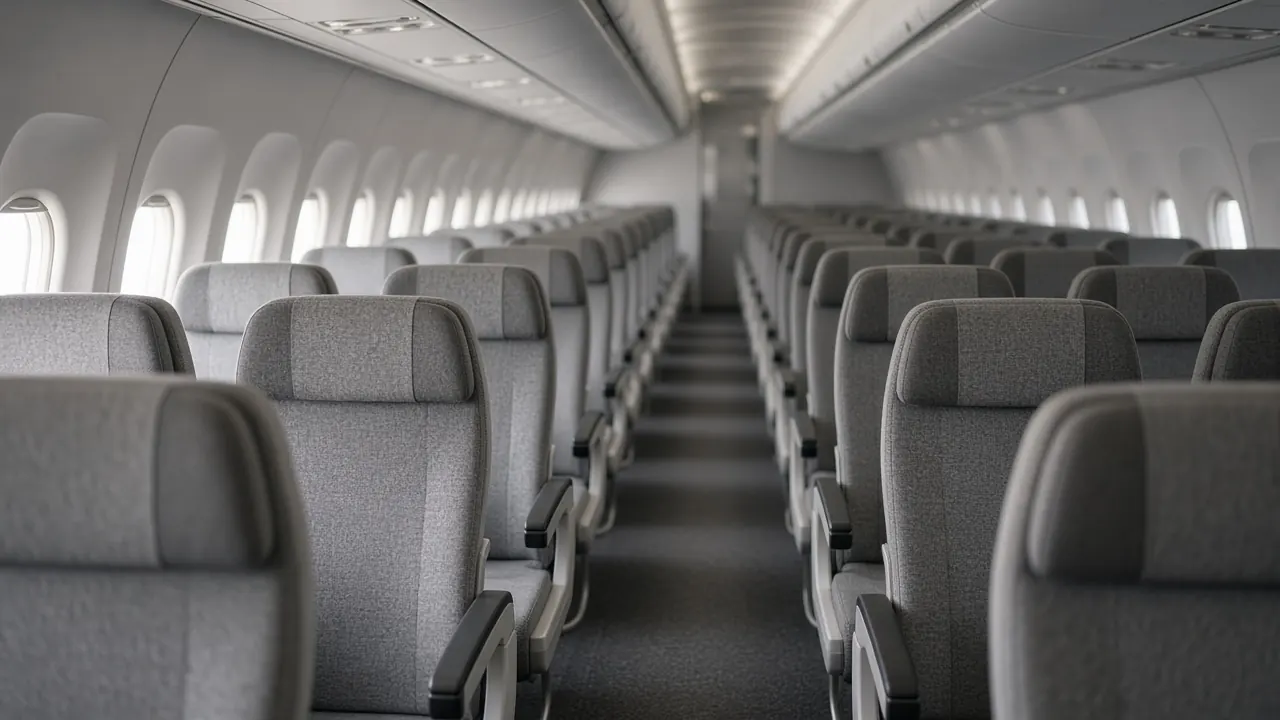
This guide covers overnight long haul flights: wide body sectors of many hours with a full meal and sleep cycle. It is not a short domestic red eye. For those, use the red eye seat strategy guide. On a long haul overnight, the goal is usually uninterrupted sleep. That pushes many travelers toward a window seat in the middle of the cabin, away from galleys and lavatories, so you are not climbed over and can lean on the sidewall.
Aisle seats win if you wake often or need frequent walks. The cost is cart bumps, boarding traffic, and neighbors waking you to get out. For deep sleepers, window usually wins; for restless flyers, aisle often does.
Avoid the last few rows when you can. Rear cabins are closer to lavatories and galleys on many wide-bodies, which means light, noise, and queues during the overnight service lull — exactly when you want quiet.
Overwing rows can feel slightly noisier from engine and airflow vibration, but they are often away from lavatory clusters. If sleep matters more than the view, prioritize distance from service centers over perfect window alignment.
Premium economy (or similar) can be worth it when the pitch gain and quieter forward cabin buy you real sleep — not just a nicer meal. Compare the fare delta against a standard exit-row economy seat before you pay up.
Our editorial scores boost quiet mid-cabin windows and discount near-lav and rear seats. Use the seat-map page for location and the best-seats list for a quick shortlist, then verify the registration on your booking.
Layouts and cabin products change by aircraft. Pick Your Row schematics are illustrative reconstructions from publicly known typical patterns — always confirm with the airline.
Sources and references
Outbound links to authoritative public pages. Regulatory and consumer-rights material is fact; our seat scores remain editorial. See also the Methodology & sources page.
- IATA — Save a Life, Not a Bag (evacuation safety) . Industry passenger education on evacuation behavior (leave bags, follow crew). Supported publicly by FAA/EASA messaging.
- U.S. DOT — Fly Rights . U.S. Department of Transportation aviation consumer protection overview for passengers.
- Your Europe — Air passenger rights . Official EU consumer summary of Regulation (EC) No 261/2004 rights (delays, cancellations, denied boarding, downgrades).
- FAA — Travelers . FAA public traveler safety and consumer information hub.
Browse airline seat maps Methodology More guides
Related guides
- Exit row tips before you select. What exit row seats usually mean for space, rules, storage, and who should skip them.
- Bulkhead seats: pros and cons. First row cabin seats explained, with bassinet notes, foot space, and common surprises.
- Aisle vs window: how to choose. A practical comparison of aisle and window seats for rest, access, views, and when a middle seat is still fine.
- How Pick Your Row scores work. What our 1–10 editorial seat scores mean, which tags we apply, how we separate editorial opinions from regulatory facts, and why scores are planning tools — not guarantees.