Red eye seat strategy: sleep, noise, and overnight tradeoffs
How to pick a seat on a shorter overnight flight for sleep, noise, and a quick exit. Not a long haul guide.
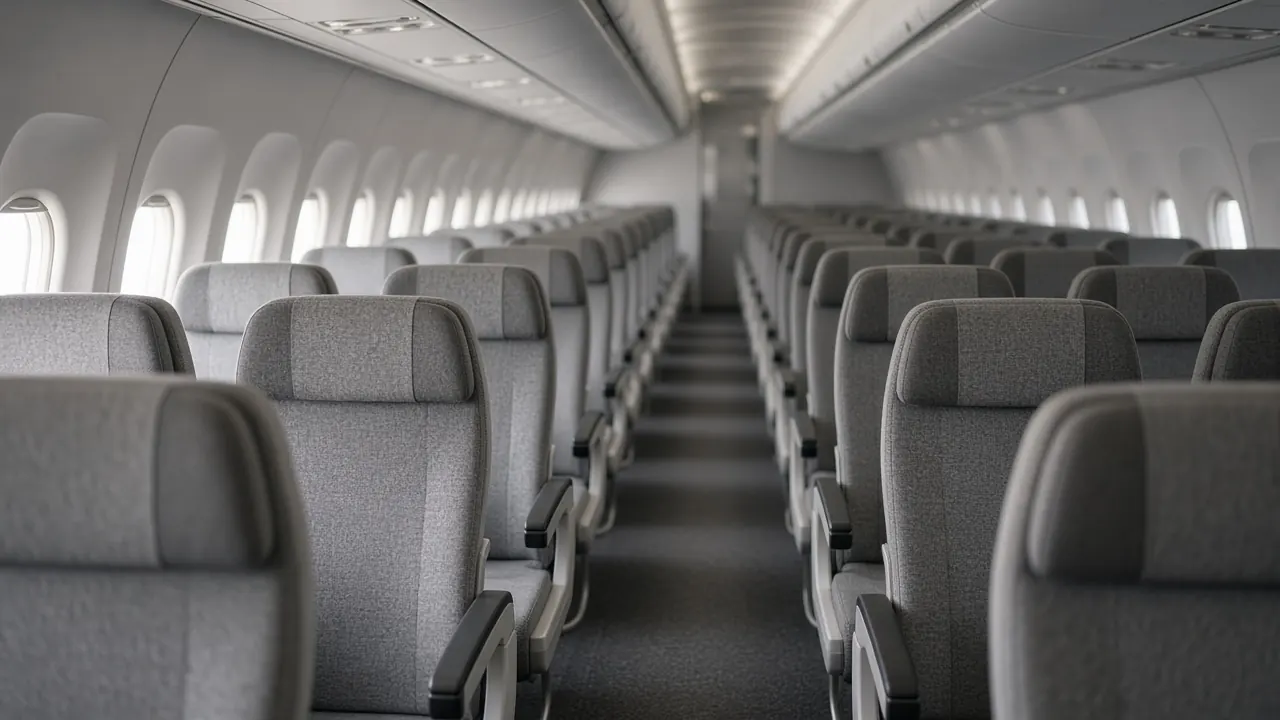
A red eye, on this page, is a shorter overnight flight where you are trying to sleep in a seat that was not designed as a bed. A window seat lets you lean on the sidewall and control the shade. An aisle seat helps if you need several lavatory trips or a quick exit into a morning meeting or another flight.
This page is not the guide for a long haul overnight. A wide body sector of many hours, with a full meal service and a real sleep cycle, is a different cabin problem even when it also flies in the dark. Use the overnight long haul seat strategy for that trip. The advice below is for the shorter red eye, where you might get a couple of hours of sleep if the row cooperates and almost none if it does not.
This is planning commentary, not medical advice. If you have a health condition, follow clinician guidance rather than a seat blog. A quieter row is a comfort tool. It is not a treatment, and it will not erase a large time zone change by itself.
Avoid lavatories and galleys when sleep is the point. Overnight traffic concentrates there. A seat one row away still feels that activity when the rest of the cabin is dark. A seat several rows into a block of ordinary economy is usually calmer than a famous extra space seat glued to the service zone.
Forward cabins often feel quieter and get you off the airplane sooner, which helps if a meeting starts soon after landing. Rear cabins can sit nearer an aft galley or a cluster of lavatories, and you will usually leave later because most cabins empty from the front. Engine noise is a separate question and varies by aircraft, so do not assume the back is always louder or the front is always calm. A forward galley can ruin a nap in the first rows of economy.
Bulkhead seats can help because nobody reclines into you, and some of them can support a bassinet. A wall may limit your feet, light from a galley may spill over the divider, and you may have little or no storage under a seat in front during taxi, takeoff, and landing. If the bulkhead is a bassinet row, expect infant noise. That is a fair trade for a family and a poor trade for a stranger who booked the wall in order to disappear. The bulkhead seats guide covers the furniture, the tray, and the bag problem.
Exit row legroom lets you stretch, which some tall travelers need before they can rest at all. The same row can be colder beside a door, noisier, and fitted with armrests that do not lift because the tray lives there. You may not keep a bag at your feet. If you cannot or do not want to assist in an evacuation, skip the exit even when the space looks ideal. Exit row tips explains who should walk away from that fee, including the age limit and the small child rule on U.S. part 121 flights.
Dress in layers. Cabins often swing from warm during boarding to cool in cruise. Bring an eye mask you have already tested and earplugs or noise cancelling headphones. Do not count on an airline blanket appearing in the dark. Eastbound overnight sectors often reward trying to sleep sooner after departure. Caffeine timing and the mask matter more than hunting a perfect row. Put the mask on when you decide to sleep, not after the cabin has already woken you twice.
If you share the row with a child, agree who gets the aisle before you board. A window and an aisle in the same row usually works better than two windows far apart, because bathroom trips and a restless child stay inside one group. Exit rows are the wrong plan when a young child is in the party. On U.S. part 121 flights, passengers under 15 may not occupy an exit seat, and an adult responsible for a small child can be moved as well.
If you connect after the red eye, favor an aisle and a more forward row on the overnight so you can leave without waiting for a full row to wake up. On a trip with nowhere to be except the curb, take the quiet window and accept that you will leave the airplane later. Aisle versus window is the short version of that letter choice when two seats are open and you are tired enough to pick badly. Overnight equipment swaps are common, and our schematics are illustrative typical layouts, not a guarantee for your registration.
FAQ
Is a window or an aisle better on a red eye?
A window is the better default when you plan to sleep and you do not have a tight connection on landing. You get a wall and a shade, and you are not climbed over. An aisle is better if you get up often or you need to leave quickly for a meeting or another flight. Choose before you board, because trading seats in a dark cabin rarely works.
Are bulkhead seats good for sleeping on a red eye?
They can be, and they often are not, even though nobody reclines into you. A wall can limit your feet, a nearby galley can stay bright, and a bassinet can mean infant noise along that row. If you want the bulkhead, pick one that faces a quiet divider rather than a working galley. Confirm whether a bassinet is assigned before you trust the empty floor on the map.
How is a red eye different from a long haul overnight?
On this page a red eye means a shorter overnight flight, often a domestic sector where you might sleep a couple of hours in a recliner seat. A long haul overnight is usually a much longer wide body flight with a fuller service. The seat ideas overlap, and the stakes are higher on the long flight. Use the long haul guide for that trip and this page for the shorter overnight hop.
Should I avoid the back of the plane on a red eye?
Often yes, if sleep or a fast exit matters. Rear rows frequently sit near lavatories and an aft galley, and they usually leave the airplane last. A rear seat can still be fine if the map shows the lavatories elsewhere and you accept a slower exit. A forward row beside a galley can also be louder than a calm seat farther back.
Will an exit row help me sleep?
Only if the extra space is what you need in order to rest, and only if you can accept the exit duties. Doors can be cold and noisy, armrests may not move, and you may not keep a bag at your feet. If you wanted silence more than stretch, a standard window away from the exits is usually the calmer buy. Paying for legroom on a busy path is a common overnight regret.
What should I bring so the seat can actually help me rest?
Bring layers, an eye mask you trust, and earplugs or headphones that block cabin noise. Do not count on a blanket or a fully dark cabin. Keep water and any medication you are allowed to carry within reach before you try to sleep. The seat can reduce interruptions, and it does not supply the rest by itself.
Sources and references
Outbound links to authoritative public pages. Regulatory and consumer-rights material is fact; our seat scores remain editorial. See also the Methodology & sources page.
- U.S. DOT — Fly Rights . U.S. aviation consumer protection overview useful when overnight delays cascade into missed connections.
- Your Europe — Air passenger rights . EU passenger rights summary for delays and cancellations that often hit overnight schedules.
- EASA — EU Air Passenger Rights (European Commission) . EASA topic page pointing to official EU air passenger rights managed by the European Commission.
- IATA — Passenger experience overview . IATA industry passenger programs hub (high-level; not a seat map).
- CDC Travelers Health jet lag . U.S. CDC Travelers Health page on jet lag (public health information).
- NHS Jet lag . UK NHS overview of jet lag symptoms and general advice.
- FAA fatigue resources . FAA fatigue related public resources (aviation human factors context).
- CDC Traveling with Children . CDC children travel page for family context on overnight sectors (non medical seat planning only).
Browse airline seat maps Methodology More guides
Related guides
- Exit row tips before you select. What exit row seats usually mean for space, rules, storage, and who should skip them.
- Bulkhead seats: pros and cons. First row cabin seats explained, with bassinet notes, foot space, and common surprises.
- Aisle vs window: how to choose. A practical comparison of aisle and window seats for rest, access, views, and when a middle seat is still fine.
- How Pick Your Row scores work. What our 1–10 editorial seat scores mean, which tags we apply, how we separate editorial opinions from regulatory facts, and why scores are planning tools — not guarantees.