Window seats and window alignment
Why some window seats have a poor view, and how to think about alignment on schematics.
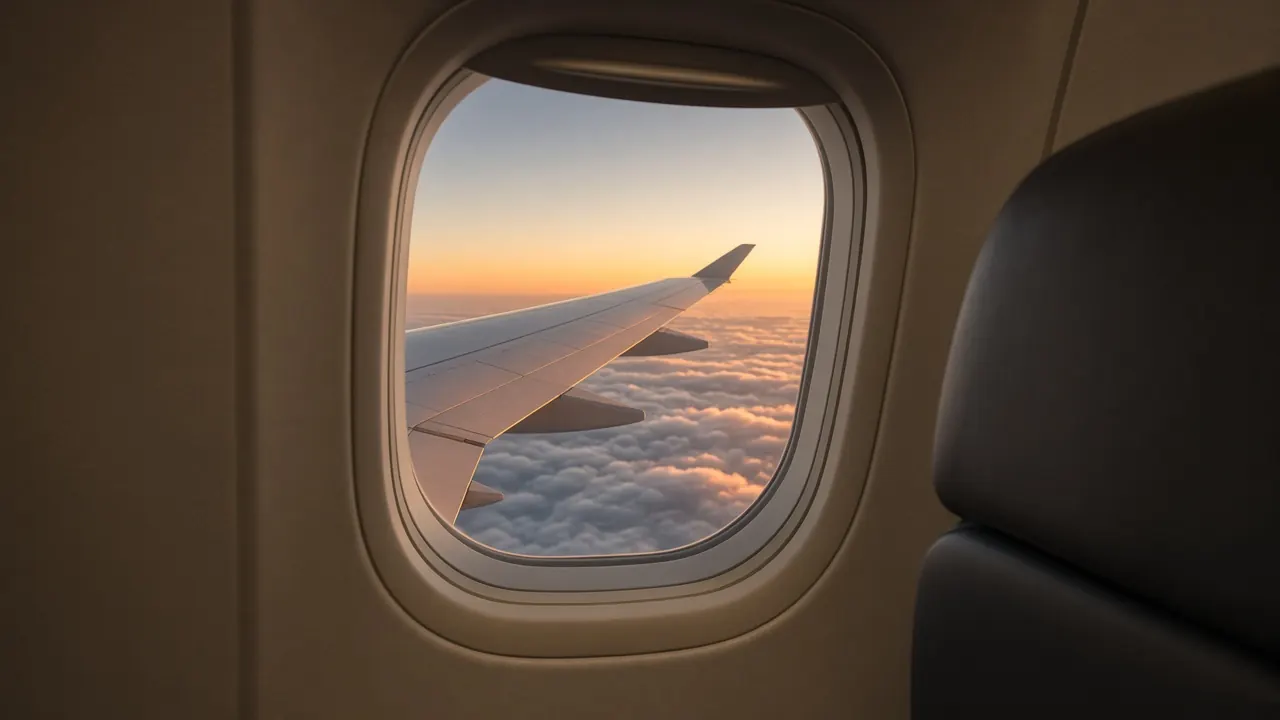
A window seat is a letter on the side of the cabin. Alignment is whether that letter sits next to a pane you can see through. Plenty of travelers pay for the outer seat and spend the flight looking at a panel, a door structure, or the top of the wing. If the view is why you wanted the seat, the fare screen rarely answers that question.
Misalignment is structural. Wings occupy a long stretch of the fuselage. Emergency exits and their surrounds replace glass with hardware. Closets, lavatories, and galleys steal windows on the cabin side of the wall. Seat tracks do not always land on the same spacing as the window frames, so a seat can straddle two panes or miss both. A retrofit that slides a row a few inches can change the view without changing the letter printed on your boarding pass.
Our maps mark window letters from cabin geometry. We do not survey every pane on every registration. Treat the letter as a position: the outermost seat in that block, useful if you want a sidewall to lean on and a shade to control. Treat the view as unconfirmed until you see the airline map or you know that exact interior. How to read a seat map explains the difference between a letter and a symbol on these schematics.
The view over the wing is the classic disappointment, and it often overlaps the exit rows people book for legroom. You may gain pitch and lose the landscape. Engine covers and flap hardware fill the glass. Some people want that view for photos of the wing. Most people who asked for scenery do not. Wing versus overwing views goes further on where the wing usually sits. If you only remember one rule, think twice before paying a premium for a window letter in the exit cluster when the view is the point.
Forward of the wing, the ground often appears earlier in the descent and the pane is more likely to be clear, with two caveats. The first rows can face a bulkhead wall even on the window side, and the doors near the front can skip a window entirely. Aft of the wing, you often clear the structure and then sit closer to rear lavatories. A pretty pane next to a queue is a bad trade if you wanted quiet. Quiet seats versus convenient seats helps when the view and the noise pull in opposite directions.
Window versus aisle is still a separate choice. The aisle wins when you want to stand without asking anyone to move, and it gives up the view on purpose. The middle seat gives up both. Aisle versus window is the practical comparison, including overnight flights where a dark window and a sidewall matter more than scenery you will not look at. Sun angle matters on long eastbound and westbound flights. Sunrise and sunset window seats covers which side of the aircraft to prefer when you care about light.
You cannot reliably guess pane alignment from a marketing name alone. Two jets with the same type label can use different seat spacing after a cabin update, which shifts every window relative to the frames. Start with the aircraft index to see the illustrative layout we drew, then match your flight to the live airline map. A carrier page such as United seat maps is a catalog of typical configs we have sketched, not a promise about the airplane tomorrow.
U.S. and European consumer pages linked below cover delays, cancellations, denied boarding, and related contract topics. A scenic pane is a seat product detail, not one of those rights. If the view is poor and the seat is the one you selected, the remedy is whatever the airline seat rules allow, which may be nothing at all. Choose the letter with that limit in mind, before you pay.
Pick Your Row is not affiliated with any airline. Scores that prefer window letters are editorial opinions about position, not proof the glass lines up. When scenery is the goal, pick a window letter away from marked exits and service zones, then confirm the pane on the carrier map.
FAQ
Why do some window seats have no view?
The outer letter only means you sit on the side of the cabin. The wing, an exit door, a closet, or a lavatory wall can replace the glass. Seat rows and window frames also drift apart when the airline changes the interior, so a letter that was fine on one aircraft can face a panel on the next.
Do your maps show the real windows?
No. We mark window letters from the seat layout on an original schematic. We do not draw a pane by pane survey, and we are not affiliated with the airline. Use our page to learn the letter, then confirm the view on the carrier map for your aircraft.
Should I avoid window seats over the wing?
Avoid them when you want to see the ground or the horizon. They are reasonable if you want exit row space or you like looking at the wing. Many rows over the wing are also exit rows, so read the assist rules before you buy a view you will not get.
Is a forward window always the clear one?
It is often clearer than a seat over the wing, and it is not automatic. Doors near the front can skip a window, and a bulkhead can put a wall beside you. Rear windows can be clear and still sit next to lavatory traffic.
Can I claim a refund if the window does not line up?
A scenic pane is not a standard passenger rights guarantee. Consumer pages from U.S. and European authorities cover delays, cancellations, denied boarding, and similar issues. A disappointing window is usually just the seat you bought. Check the airline map before you pay.
Sources and references
Outbound links to authoritative public pages. Regulatory and consumer-rights material is fact; our seat scores remain editorial. See also the Methodology & sources page.
- FAA — Travelers . FAA public traveler safety and consumer information hub.
- ICAO — Safety . International Civil Aviation Organization public safety portal (standards framework; not a seat map).
- U.S. DOT — Fly Rights . U.S. Department of Transportation aviation consumer protection overview for passengers.
- Your Europe Air passenger rights . Official EU consumer summary of delay, cancellation, denied boarding, and downgrade rights. A scenic window is outside that list.
Browse airline seat maps Methodology More guides
Related guides
- Exit row tips before you select. What exit row seats usually mean for space, rules, storage, and who should skip them.
- Bulkhead seats: pros and cons. First row cabin seats explained, with bassinet notes, foot space, and common surprises.
- Aisle vs window: how to choose. A practical comparison of aisle and window seats for rest, access, views, and when a middle seat is still fine.
- How Pick Your Row scores work. What our 1–10 editorial seat scores mean, which tags we apply, how we separate editorial opinions from regulatory facts, and why scores are planning tools — not guarantees.