Connecting flight seat strategy: deplane fast without panic
How to pick seats for a tight connection: forward aisle bias, bag placement, and time buffers for security and terminals.
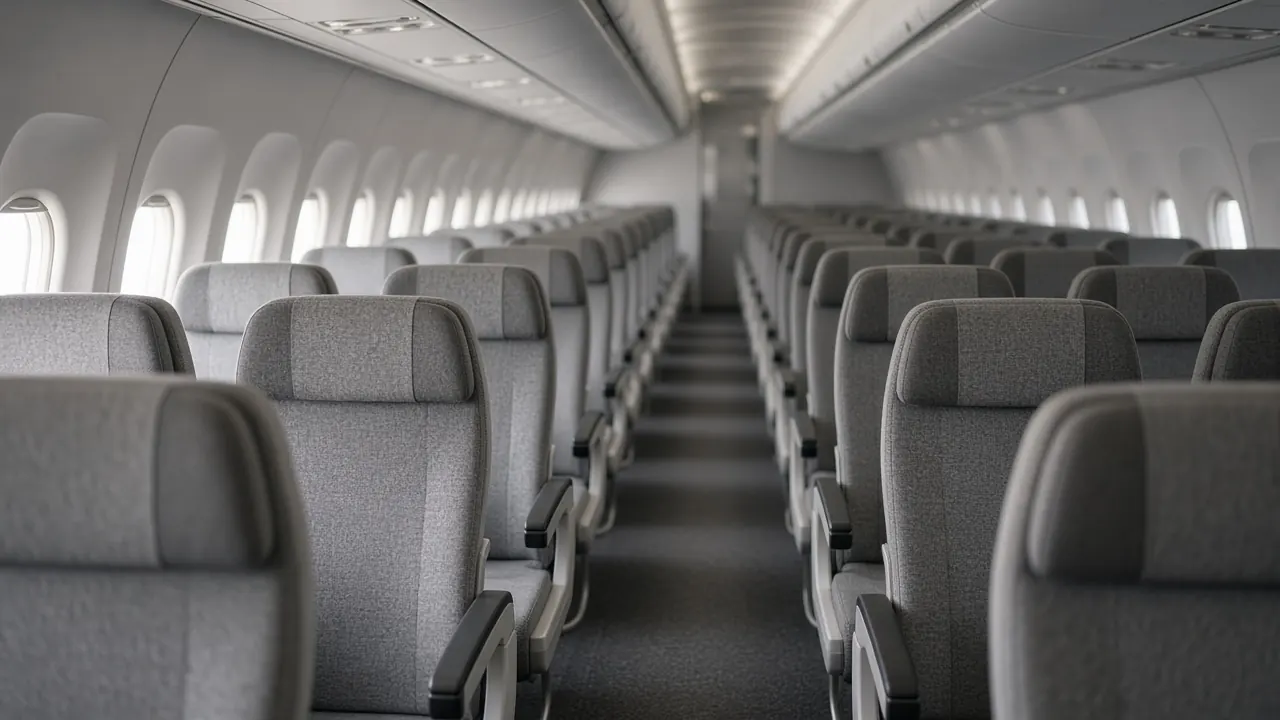
A connection changes the goal of the seat. On the flight that lands into the connection, getting off quickly often beats a pretty window. On the last flight of the day, comfort can matter more than the minute you save at the door. Decide which leg you are planning before you sort the map.
Aisle seats in the forward half of the cabin are the usual pick when the connection is tight. You can stand when the seatbelt sign goes off, and you are ahead of people who must wait for a full row to empty. A window in the last rows does the opposite. You wait for the aisle to clear, then you wait again while the cabin empties from the front. On a single aisle jet that gap is often several minutes.
Do not treat a legal minimum connection time as a comfort estimate. A change of terminal, a train between concourses, immigration, customs, and another security screening can consume a connection that looked fine on a route map. Seat choice cannot create minutes the airport does not have. It can only stop you from donating extra minutes to the back of the cabin after you land.
If you must clear security again, pack like someone who will unpack. Liquids rules and laptop pulls still apply at the next checkpoint. A tidy personal item saves more time there than a slightly better row number. Allow time for that checkpoint, and use the seat to shorten the walk before you reach it.
Checked bags follow a different clock than you do. A forward aisle does not move a bag that missed the transfer. When the itinerary is fragile and the airline allows a carry on, keeping the bag with you is the more reliable plan. Put medication, documents, and anything you would hate to lose in that bag. If the bin above your row is already full, a bag stored far behind you becomes its own delay at the end of the flight.
Exit rows are a mixed tool on connection days. An exit row often comes with an assist duty and can bar a bag from under the seat during taxi, takeoff, and landing. It is a poor fit if anyone in your party cannot accept that role. For pure connection risk, a standard forward aisle is simpler. Read exit row tips before you pay for an exit only to get off faster, and read aisle versus window if you are still debating the letter on the inbound leg.
Families should stay together even when the map offers a tempting scatter of forward seats. Splitting a child from an adult to grab two supposedly better letters can cost more time at the arrival gate than those seats saved on the walk. Take the best block that keeps adults and children in the same row or directly across an aisle. A group that can move as one unit beats four people hunting each other in the jet bridge while the connection clock runs.
Avoid the last few rows when the connection is short. Rear cabins usually leave last. A lavatory queue can block the aisle at the moment you need to move. If the only seats left are in the back, an aisle still beats a window, and you can tell the airline you have a connection so crew understand why you are ready early.
A paid seat near the front can be worth the fee when the alternative is missing a once a day international connection. Compare that fee with the cost of a change, a missed hotel night, or a long wait for the next flight. On a daytime hop with a generous layover, the same fee is harder to justify. Our best seats index can show which forward rows we score well on a typical layout.
If the trip continues onto a long overnight flight, switch goals between legs. Use a forward aisle on the short inbound, then a quieter window on the long sector if sleep is the point of that second seat. How to read a seat map explains the symbols worth checking on both legs: exits, galleys, lavatories, and bulkheads.
Always open the map again after a schedule change. Equipment swaps are common on the same flight number, and a seat that was near the front door on one jet can sit in a different place on the next. Confirm the live map before you leave for the airport, and again if the gate display shows a different aircraft. If a paid forward aisle disappears, ask for a comparable seat or about the fee, and keep the receipt. We are not affiliated with any airline.
FAQ
Should I choose an aisle or a window when I have a connection?
Choose an aisle, preferably in the forward half of the cabin, on the flight that lands into the connection. You can stand without waiting for neighbors, and you are closer to the flow of people leaving. A window is reasonable on the last flight, when getting off quickly no longer matters. The aisle does not create extra airport time, and it only stops you from wasting minutes you already have.
Does a front seat guarantee I will make a tight connection?
No, a forward aisle can save several minutes of deplaning, while immigration, a terminal change, baggage, or a late inbound can still break the connection. Minimum connection times are planning floors, not a promise that you will make the next flight. If the connection is tight, book more buffer when you can and treat the seat as one small part of that plan.
Are exit rows a good idea when the connection is short?
Sometimes, and they are often more complicated than they are worth. You may get space near a door, and you also accept assist duties, possible limits on a bag at your feet, and the chance that crew move you. A standard aisle nearer the front is the simpler pick when the only goal is to leave the airplane. Read the exit rules before you pay.
What if I have to clear security again between flights?
Pack a small bag you can open quickly, and expect liquids and electronics steps at the next checkpoint. Seat choice does not speed up screening. Arriving at that checkpoint a few minutes earlier, because you sat forward and kept your bag close, is the part you control. Public traveler tips linked on this page are about allowing enough time, not about a magic row.
Should a family split up to sit closer to the door?
Usually no. The minutes you might save by scattering into leftover forward seats are easy to lose while you find each other, collect bags, and move a child through a busy jet bridge. Keep adults and children together in one row or across an aisle. A slightly slower exit with everyone accounted for is the better connection plan.
What should I do if the airline changes the aircraft before a connection?
Open the seat map as soon as you see the change. A swap can move exits, remove a cabin you were counting on, or put your old row in a different spot. Ask for a comparable forward aisle if a paid seat disappeared, and keep the fee receipt. Our schematics are typical drawings, not a picture of the jet at the gate.
Sources and references
Outbound links to authoritative public pages. Regulatory and consumer-rights material is fact; our seat scores remain editorial. See also the Methodology & sources page.
- TSA travel tips . TSA public travel tips on allowing time for security and airline cutoff times.
- TSA how early to arrive . TSA FAQ encouraging travelers to allow time for check in and screening (connection buffer context).
- TSA travel checklist . TSA packing and screening checklist useful when a connection requires re screening.
- IATA passenger experience overview . IATA passenger programs overview (industry context for passenger journey processes).
- Your Europe — Air passenger rights . Official EU consumer summary of Regulation (EC) No 261/2004 rights (delays, cancellations, denied boarding, downgrades).
- U.S. DOT — Fly Rights . U.S. Department of Transportation aviation consumer protection overview for passengers.
- EASA — EU Air Passenger Rights (European Commission) . EASA topic page pointing passengers to official EU air passenger rights managed by the European Commission.
Browse airline seat maps Methodology More guides
Related guides
- Exit row tips before you select. What exit row seats usually mean for space, rules, storage, and who should skip them.
- Bulkhead seats: pros and cons. First row cabin seats explained, with bassinet notes, foot space, and common surprises.
- Aisle vs window: how to choose. A practical comparison of aisle and window seats for rest, access, views, and when a middle seat is still fine.
- How Pick Your Row scores work. What our 1–10 editorial seat scores mean, which tags we apply, how we separate editorial opinions from regulatory facts, and why scores are planning tools — not guarantees.