Choosing seats with kids
Practical seat strategy for families: bulkheads, bassinets, lavatory distance, and when to split across an aisle.
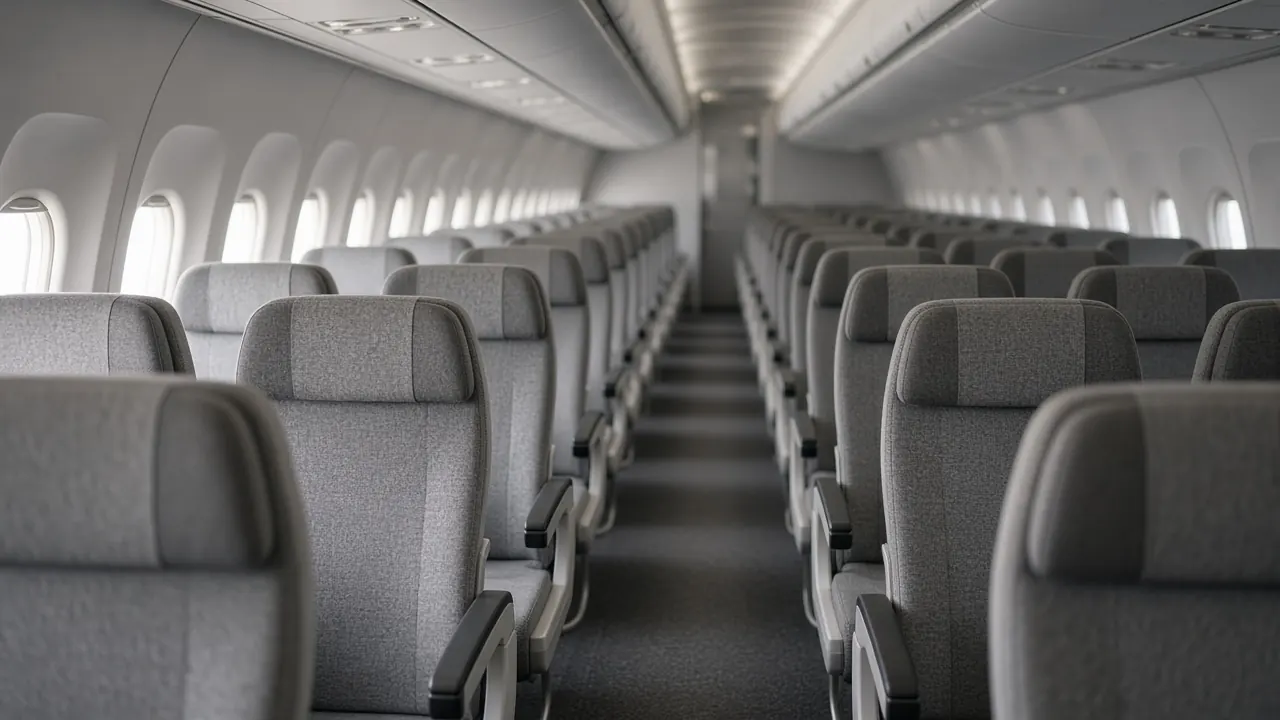
Traveling with children changes what a “good” seat looks like. Legroom still matters, but so do proximity to lavatories, bassinet options, and whether you can sit together without relying on a middle seat stranger.
Bulkhead rows are popular with families because some have bassinet mounts and nobody reclines into you. Trade-offs include limited under-seat storage for takeoff and landing, and sometimes a busier cabin feel if multiple families share the same wall.
Exit rows are usually the wrong pick with young kids. Airlines often restrict who may sit there, and you may be asked to move if you do not meet the briefing criteria. Prefer standard or bulkhead rows instead.
Sitting across an aisle as two-and-two (or window-aisle pairs facing each other) can be easier than trapping a child in a middle. On 3-3 narrow-bodies, a window-aisle-aisle-window split across the aisle keeps adults on the aisle for bathroom trips.
Near-lav seats score lower in our editorial heuristic for noise and foot traffic, but for toddlers they can be convenient. Decide based on age: infants may need bassinets more than quiet; older kids may sleep better mid-cabin.
Our maps mark bulkheads, exits, and lavatories so you can plan — they are original schematics, not airline manuals. Always confirm family seating and bassinet rules with the carrier for your exact flight.
If the airline’s seat map shows scattered seats, message the airline or check in early. Paid seat selection is often cheaper than hoping gate agents can reunite a family of four at the last minute.
Sources and references
Outbound links to authoritative public pages. Regulatory and consumer-rights material is fact; our seat scores remain editorial. See also the Methodology & sources page.
- U.S. eCFR — 14 CFR § 121.585 Exit seating . Federal rule defining exit seats and passenger suitability criteria for U.S. part 121 carriers (facts; not our editorial score).
- TSA — TSA Cares (passengers who need assistance) . U.S. TSA program and guidance for travelers who need screening assistance (mobility and medical context).
- U.S. DOT — Fly Rights . U.S. Department of Transportation aviation consumer protection overview for passengers.
- Your Europe — Air passenger rights . Official EU consumer summary of Regulation (EC) No 261/2004 rights (delays, cancellations, denied boarding, downgrades).
Browse airline seat maps Methodology More guides
Related guides
- Exit row tips before you select. What exit row seats usually mean for space, rules, storage, and who should skip them.
- Bulkhead seats: pros and cons. First row cabin seats explained, with bassinet notes, foot space, and common surprises.
- Aisle vs window: how to choose. A practical comparison of aisle and window seats for rest, access, views, and when a middle seat is still fine.
- How Pick Your Row scores work. What our 1–10 editorial seat scores mean, which tags we apply, how we separate editorial opinions from regulatory facts, and why scores are planning tools — not guarantees.