Airbus A320
About 146 seats. Economy uses blocks of 3 and 3.
Canadian network carrier with narrowbody domestic fleets and long haul widebodies. Cabin products and densities vary by aircraft and retrofit.
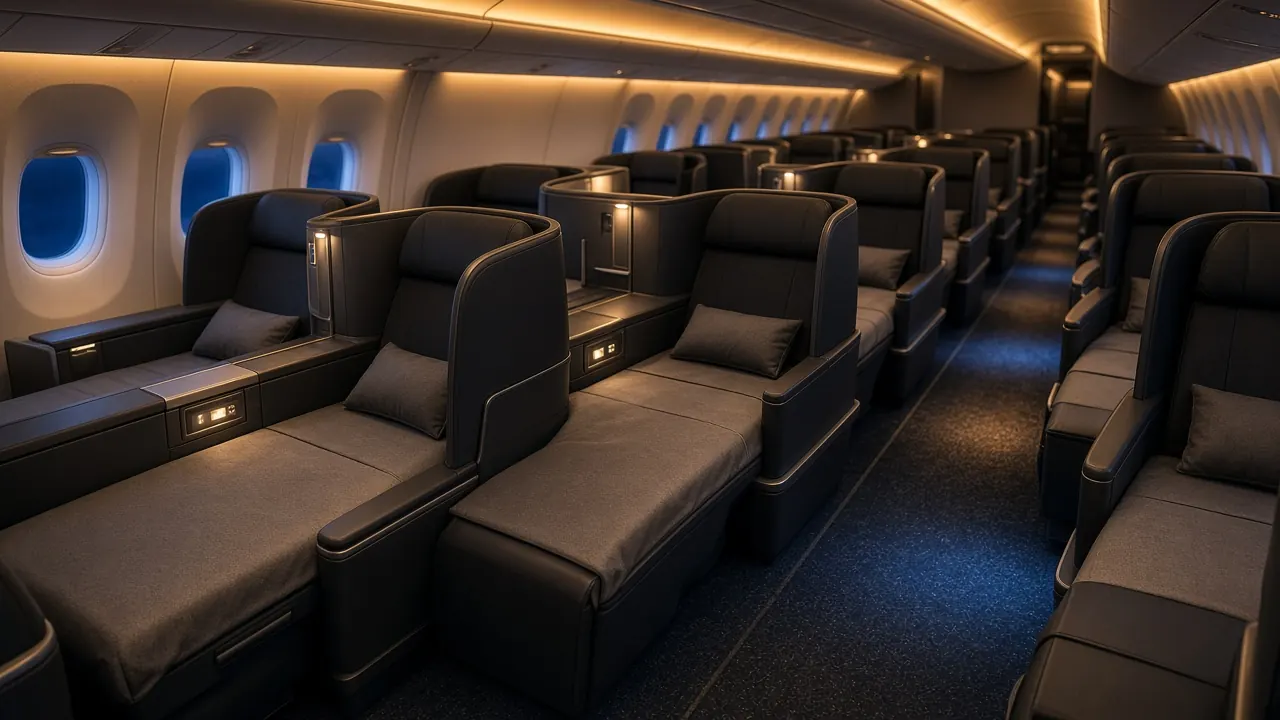
Pick Your Row is not affiliated with, endorsed by, or sponsored by Air Canada. Maps are original schematics.
Public network and cabin facts. For current details see the official Air Canada website, since products change, and confirm on your booking.
These Air Canada seat maps are original illustrative seating plans for 3 configs (Airbus A320, Boeing 787-9, and Boeing 777-300ER), and drawn cabins run about 146 to 400 seats. Match the aircraft on your ticket to a fleet table row or a card below, then open that seat map, such as the Air Canada Airbus A320 seat map, or its best seats page. Confirm the live cabin with Air Canada before you pay for a seat. The fleet summary compares illustrative exit rows and cabin products across these drawings. If the type name is unclear, use how to verify your aircraft type.
Each row is one illustrative Air Canada config. The illustrative exit rows and cabin products columns compare what that drawing stores, and you should still confirm both with Air Canada. The aircraft name opens the shared type page. Seat map opens that cabin sketch. Best seats opens the editorial shortlist. Match the type on your ticket before you choose a row. The guide on how to verify your aircraft type explains that check.
| Aircraft | Approximate seats | Economy layout | Illustrative exit rows | Cabin products | Seat map | Best seats |
|---|---|---|---|---|---|---|
| Airbus A320 | 146 | blocks of 3 and 3 | 12, 13 | Business and Economy | Seat map | Best seats |
| Boeing 787-9 | 298 | blocks of 3, 3, and 3 | 18, 30 | Business, Premium Economy, and Economy | Seat map | Best seats |
| Boeing 777-300ER | 400 | blocks of 3, 4, and 3 | 23, 38 | Business, Premium Economy, and Economy | Seat map | Best seats |
About 146 seats. Economy uses blocks of 3 and 3.
About 298 seats. Economy uses blocks of 3, 3, and 3.
About 400 seats. Economy uses blocks of 3, 4, and 3.
Start with the fleet table on this page. Each row is an illustrative Air Canada seating plan and links to that aircraft seat map. One cabin sketch is the Air Canada Airbus A320 seat map. The official diagram is on the Air Canada site or in the airline app, and it can differ by registration. To match a ticket to a row here, use how to verify your aircraft type. Other types on Pick Your Row are listed in the aircraft index.
It is one original cabin sketch for a single Air Canada config, not a copy of the airline chart. Economy sections on these cards use blocks of 3 and 3, blocks of 3, 3, and 3, or blocks of 3, 4, and 3. Drawn cabins on this hub run about 146 to 400 seats. This hub lists all 3 drawn plans. An aircraft seat map is the sketch for one config only, for example the Air Canada Airbus A320 seat map. The best seats page for Air Canada is the editorial shortlist for the same drawings. The methodology explains the scores. Confirm the live plan with Air Canada.
This page groups the original Air Canada cabin schematics on Pick Your Row. Air Canada uses IATA code AC and is based in Canada. You will find 3 illustrative configs, each linked to a seat map and a best seats page. Use it when you already know the carrier and want the aircraft we have drawn for it. If you know the type first, start from the aircraft index. Maps here are illustrative planning sketches. Confirm the aircraft and the live seat map with Air Canada before you pay for a row.
No. Every drawing on this page is an original illustrative schematic. Pick Your Row is not affiliated with Air Canada, and these are not the official Air Canada seat maps. If a carrier diagram and a card disagree, trust Air Canada. The methodology page explains how editorial scores differ from regulatory facts.
This page shows 3 illustrative configs for Air Canada, IATA code AC: Airbus A320, Boeing 787-9, and Boeing 777-300ER. Drawn seat counts run about 146 to 400 seats. Open a card for the cabin sketch. One example is the Air Canada Airbus A320 seat map. The same aircraft has a best seats page.
Match a card above to the aircraft on your ticket, then read that seat map before you pay for a row. Extra space often sits at an exit or a bulkhead, and Air Canada sets the rules and the fee. A window or an aisle is a preference. Highlights on Pick Your Row are opinions for planning, not a seat the airline is holding for you. Browse every shortlist on the best seats page for Air Canada. One worked example is the Air Canada Airbus A320 best seats page. Scoring rules are in the methodology. The guide on how Pick Your Row scores work explains the heuristic.
Yes. These 3 configs already disagree on economy layout. Economy sections on these cards use blocks of 3 and 3, blocks of 3, 3, and 3, or blocks of 3, 4, and 3. Drawn seat counts run about 146 to 400 seats. Aircraft on this page: Airbus A320, Boeing 787-9, and Boeing 777-300ER. Another registration can still change the cabin again.
The Airbus A320 marks exit rows 12 and 13. The Boeing 787-9 marks exit rows 18 and 30. The Boeing 777-300ER marks exit rows 23 and 38. These row numbers are illustrative and can differ by registration. Confirm them with Air Canada before you pay for an exit seat. The methodology page explains how these sketches are drawn. Exit row tips cover who should skip an exit and why a marked row is not a promise. A sample sketch is the Air Canada Airbus A320 seat map.
Your ticket or the Air Canada app usually prints the aircraft type, and the assignment can still change before departure. Match that name to a card on this page, then open that seat map. Use the guide on how to verify your aircraft type. If Air Canada names an aircraft that is not drawn here, use the live airline map instead of a nearby type.
Original Pick Your Row articles, useful alongside these Air Canada schematics.
All guides · Methodology · Aircraft index · Best seats · Disclosure